

Why Choose a Heat Pump System for My New Jersey Home?


A heat pump is one of the most efficient ways to keep a New Jersey home comfortable because it handles both heating and cooling in a single piece of equipment. Rather than burning fuel to create warmth, a heat pump moves existing heat where you need it, cutting energy waste throughout our humid summers and freezing winters.
Homeowners throughout New Jersey choose heat pumps for several practical reasons:
- Lower energy consumption: They transfer heat rather than generate it, using significantly less electricity than traditional heating methods.
- Flexible configurations: You can install them with existing ductwork or place ductless units directly in individual rooms.
- Consistent indoor temperatures: Variable-speed compressors deliver steady comfort without dramatic temperature swings.
- All-in-one heating and cooling: A single outdoor unit replaces both your air conditioner and your primary heating system.
- Straightforward installation: Ductless mini-split setups require only a small hole in an exterior wall, avoiding messy renovations.
A heat pump system might just fit the bill – here’s why.
A heat pump system is an ideal choice for New Jersey homeowners who want reliable temperature control without managing two separate pieces of HVAC equipment.
Because modern heat pumps use advanced inverter technology, they pull ambient heat out of outdoor air even when outdoor temperatures drop below freezing. When summer arrives, the process reverses, pulling indoor warmth and humidity out of your home to keep living spaces crisp and cool. The result is a simple, whole-home setup that operates quietly and keeps utility bills manageable throughout the year.

Here are some great reasons why you might want to consider a heat pump system for your home:
Energy Efficiency
Heat pumps do not burn oil, gas, or propane to produce warmth during the colder months. Instead, they run on electricity to cycle refrigerant, capturing heat from the air outside and pumping it indoors. According to the U.S. Department of Energy, modern air-source heat pumps can reduce electricity use for heating by up to 50 percent compared to electric resistance heating like baseboards and electric furnaces. That efficiency delivers immediate, measurable relief on monthly utility bills.
Multiple System Configurations
Every home is laid out differently, and heat pump technology is flexible enough to accommodate nearly any floor plan. If your home has existing ductwork in good condition, a centrally ducted heat pump connects directly to your current layout. If your home uses hydronic baseboards, radiators, or lacks ductwork entirely, ductless mini-split systems let you condition individual rooms or whole additions without tearing open walls or ceilings.
Balanced Indoor Temperatures
Older furnaces often deliver heat in loud, brief bursts, leaving rooms hot for fifteen minutes before cooling back down. Modern heat pumps run for longer stretches at lower, variable speeds. This continuous airflow circulates conditioned air evenly from room to room, eliminating drafty spots and maintaining a steady temperature throughout the house.
Heating and Cooling in One System
Investing in new HVAC equipment is simpler when one system covers every season. A heat pump acts as a high-efficiency heater during the winter and a powerful central air conditioner in the summer. Having a single piece of equipment means you only have to schedule one annual maintenance program, manage one set of filters, and rely on one trusted manufacturer warranty.
Easy Installation
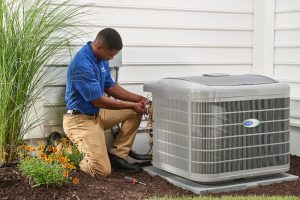
Installing a ductless heat pump is one of the least disruptive home improvement projects you can take on. Connecting the indoor air handler to the outdoor unit requires only a small three-inch hole through an exterior wall for the refrigerant line set and wiring. That means you avoid the expense, dust, and lost closet space required to build out new ductwork.
Choosing between a heat pump and a furnace? Start with these important comparisons:
Choosing between a heat pump and a furnace comes down to your current heating fuel, your existing ductwork, and your cooling needs.
- Upfront cost vs. complete replacement: A standard furnace generally costs less upfront than a whole-home heat pump system. However, a furnace only produces heat. If your central air conditioner is also aging, replacing both units at once often costs more than installing a single heat pump that handles both jobs.
- Operating costs and fuel sources: Furnaces burn natural gas, propane, or heating oil. Fuel prices can be unpredictable from winter to winter, particularly for homes on delivery oil. Electric heat pumps provide steady, predictable efficiency without on-site fuel combustion or exhaust fumes.
- Current equipment condition: If your current furnace is relatively new and running well, keeping it and scheduling furnace repair or maintenance may make the most sense for now. If your heating setup is over 15 years old and your summer electric bills are climbing, transitioning to a heat pump offers a better long-term return on your investment.
The right rebates and incentives can make your heat pump upgrade even better.
Upgrading your home’s heating and cooling system is a significant investment, but available state and utility programs make high-efficiency heat pumps far more affordable.
New Jersey homeowners participating in the New Jersey Clean Energy Program (NJCEP) can access substantial equipment rebates when upgrading to qualified high-efficiency heat pumps. Local electric utilities also offer incentives and on-bill financing options that allow you to pay for your system over time directly through your monthly utility statement.
To explore current manufacturer incentives and special offers available through our team, check our current promotions and financing options before scheduling your project.

Reliable comfort starts with a heat pump built for New Jersey’s changing weather.
A modern heat pump handles New Jersey weather with ease, from coastal dampness to inland freezing snaps.
Older heat pumps struggled when temperatures dropped near freezing, requiring expensive electric heat strips to keep up. Today’s cold-climate models maintain steady heating capacity down into single digits. When summer arrives, variable-speed operation pulls heavy moisture out of the air, keeping indoor spaces crisp without freezing out your living room.
To learn more about how equipment choices impact year-round performance, read our guide on heat pump performance in every season.
Can BC Express tell me more about how I can get a heat pump system for my home?
Yes, the team at BC Express is ready to walk you through every step of the process.
As a Carrier Factory Authorized Dealer, BC Express installs high-efficiency heat pump systems engineered for long-term reliability and quiet operation. Our NATE-certified technicians evaluate your home’s square footage, insulation levels, and layout to ensure your new system is sized accurately for your living space.
If you are ready to explore your options, contact BC Express today to request an estimate and discover how a heat pump can upgrade your year-round comfort in New Jersey.
keep your home comfortable year-round